OPEN LETTER TO PRESIDENTS FÉLIX TSHISEKEDI AND YOWERI MUSEVENI
Urgent Concerns Regarding Cross-Border Oil Projects in the Albertine Graben and Call for Complete Transparency

Urgent Concerns Regarding Cross-Border Oil Projects in the Albertine Graben and Call for Complete Transparency

22 Sept 2026
In Muanda, the death of Chadrack Damazi-Nzita, 18 years old, has sparked strong emotion and mobilizations in several villages. According to initial information gathered from the community, the young man was fatally shot in an incident involving a soldier assigned to securing the oil field zone. Our Land Without Oil calls for the immediate opening of an independent and transparent investigation, clarification of the role of soldiers deployed around oil installations, and urgent measures to protect communities. The coalition expresses its solidarity with Chadrack's family and supports the peaceful mobilization of residents demanding truth and justice.
Publications21 Sept 2026
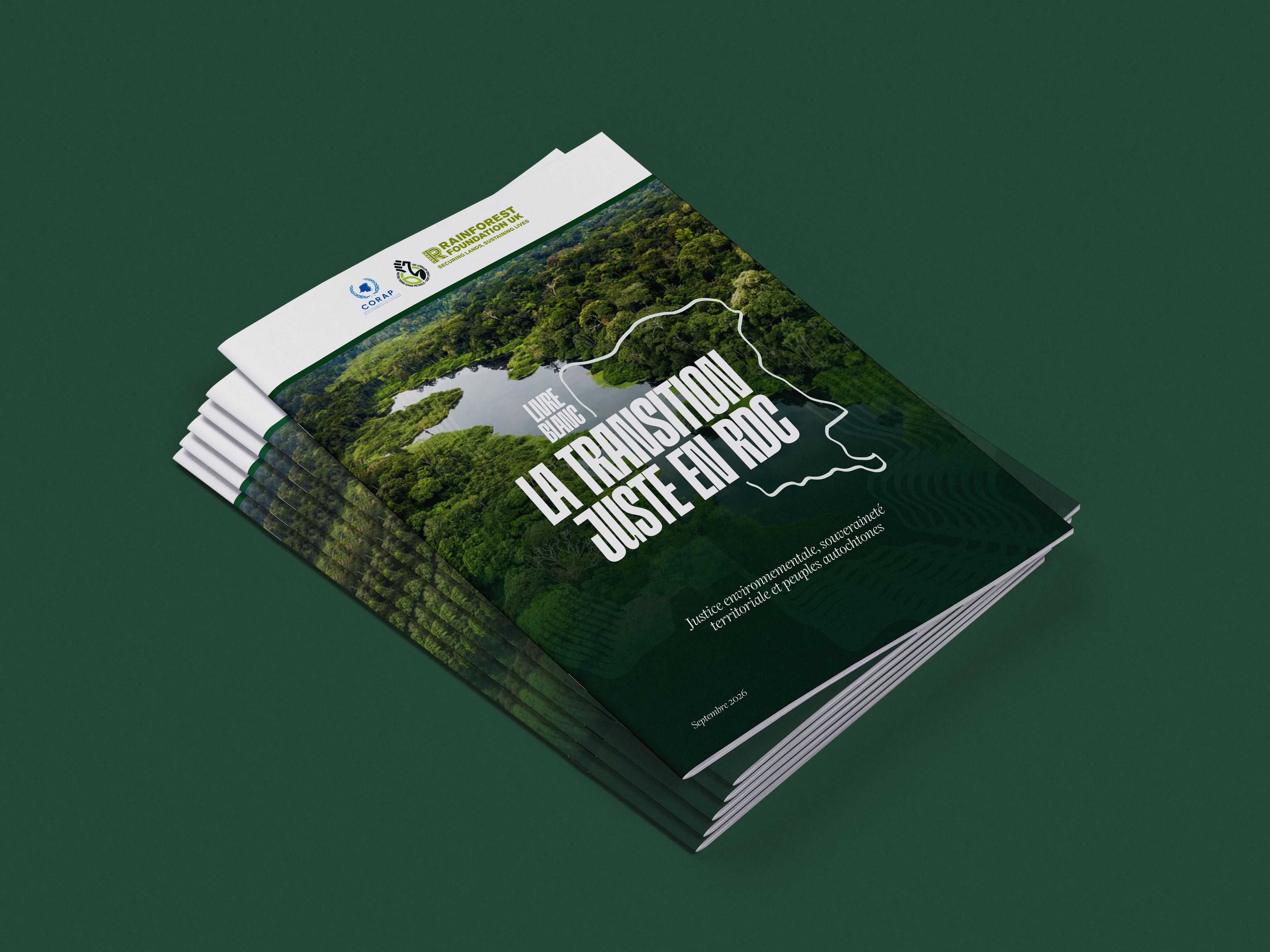
The White Paper "Just Transition in the DRC" analyzes the country's energy, environmental and economic choices based on territorial realities. It highlights the impacts experienced by local communities and indigenous peoples, and proposes pathways to build a more just, inclusive transition rooted in their rights and needs.
Communiqués31 Jul 2026
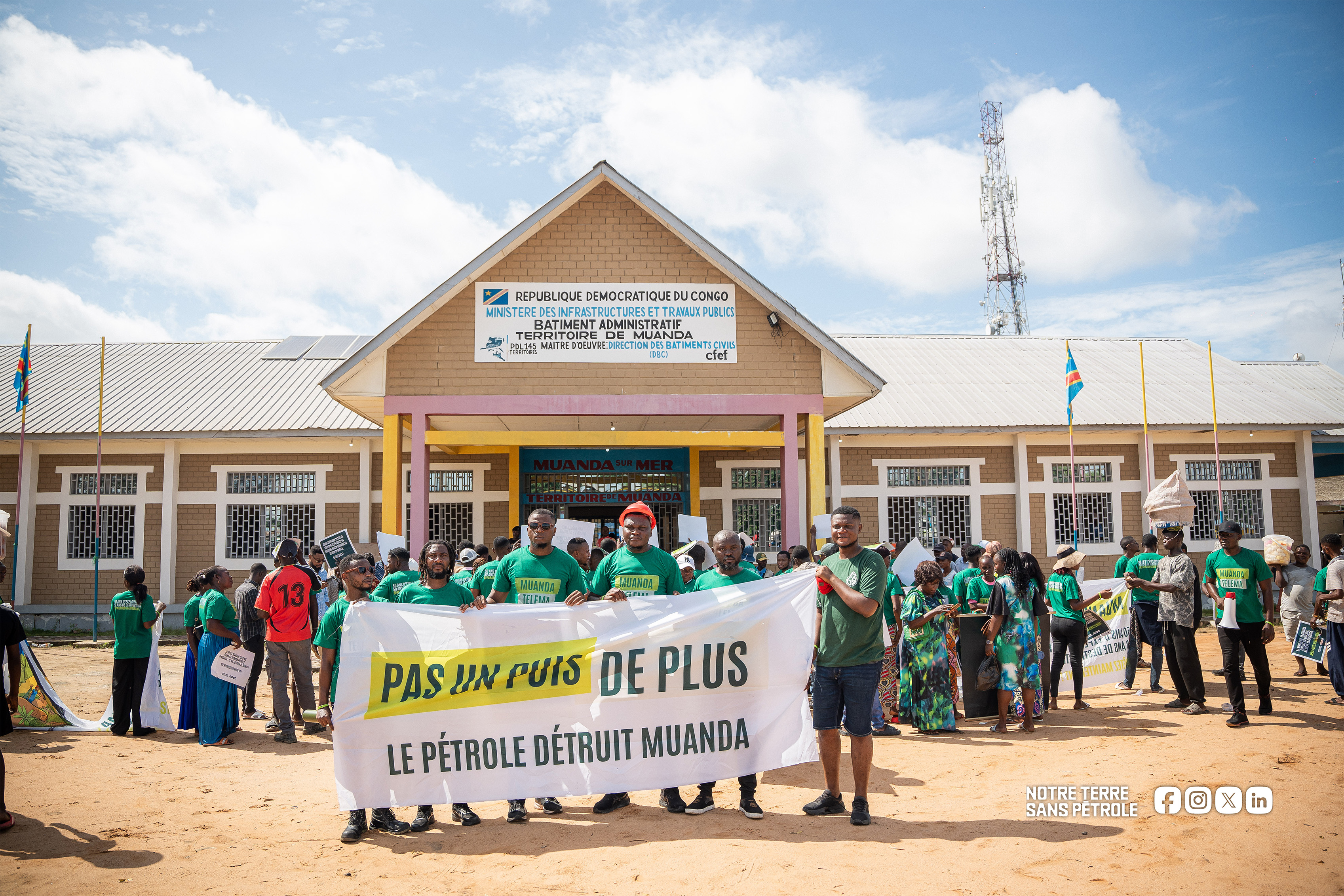
In Muanda, communities have lived for years in proximity to flares, wells and pipelines, without knowing their actual level of exposure to pollution. The report published by Human Rights Watch on July 27, 2026 reinforces the alerts already raised by residents and civil society. It documents flaring activities at five sites, including one located less than 80 meters from homes, as well as oil leaks, burning of toxic waste and risks to water, soil and health. Meanwhile, the environmental audit commissioned by the government in December 2024 has still not been published. The memorandum filed on April 10, 2026 during Stand Up Muanda also remains without official response. We call for the immediate publication of the audit, public access to environmental data, independent monitoring, a health study and concrete measures for pollution remediation and repair. Muanda has the right to know what it breathes, what it drinks and what contaminates its lands.