Back to news
Published on 01 August 2025

From forests to conflict zones: the threats of oil expansion in the DRC

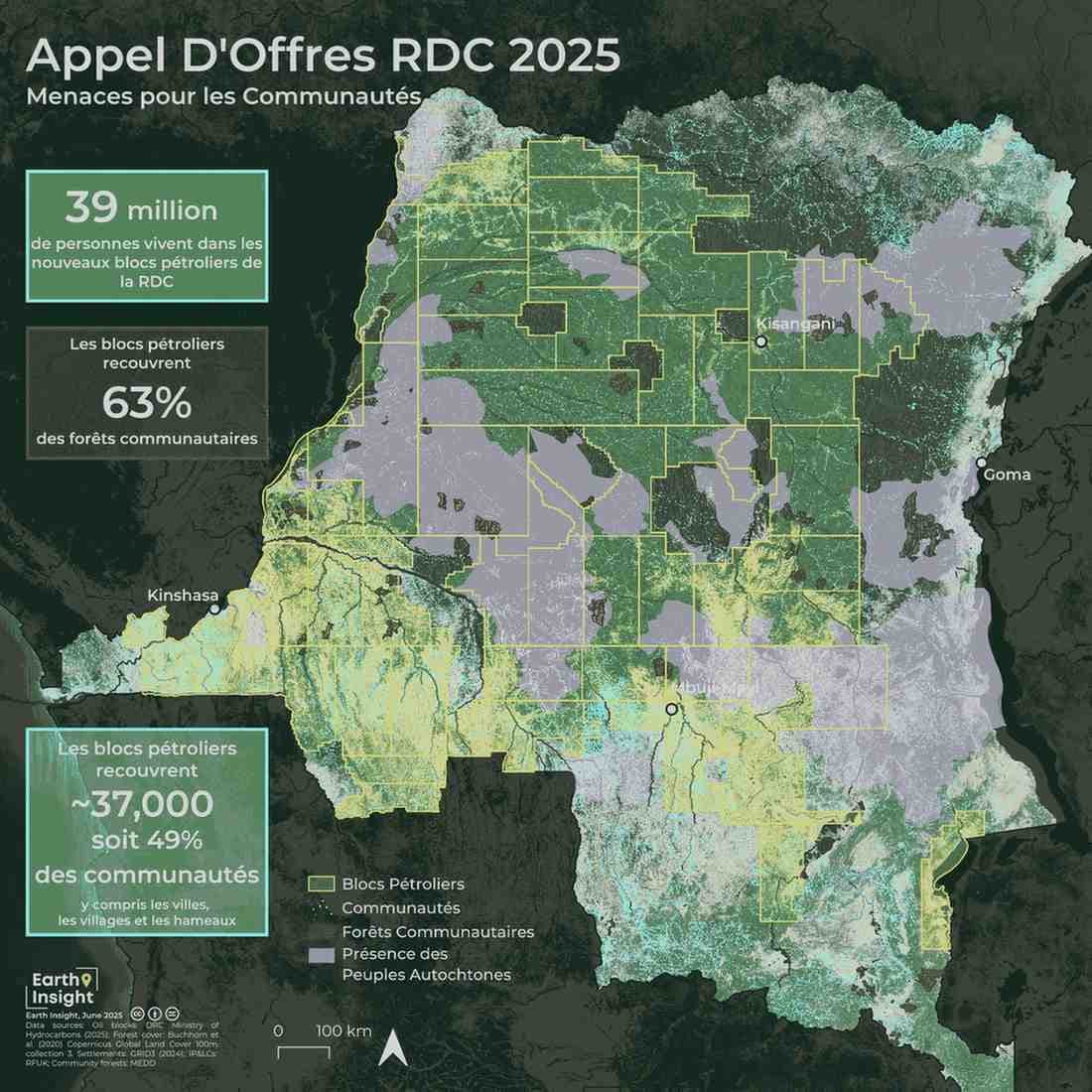
A new report published by Earth Insight, Our Land Without Oil, CORAP and RFUK reveals that the Democratic Republic of Congo (DRC) has recently approved calls for tenders for oil development covering more than half of the national territory. This marks the launch of a new licensing cycle for 55 oil blocks: 52 announced in 2025 and 3 previously awarded.

pétrolesanspetroleClimat
From forests to conflict zones: the threats of oil expansion in the DRC
Admin

Read also

PERENCO: NO TAX AGREEMENT BEFORE TRUTH ON MUANDA POLLUTIONCommuniqués

12 Oct 2026

PERENCO: NO TAX AGREEMENT BEFORE TRUTH ON MUANDA POLLUTION

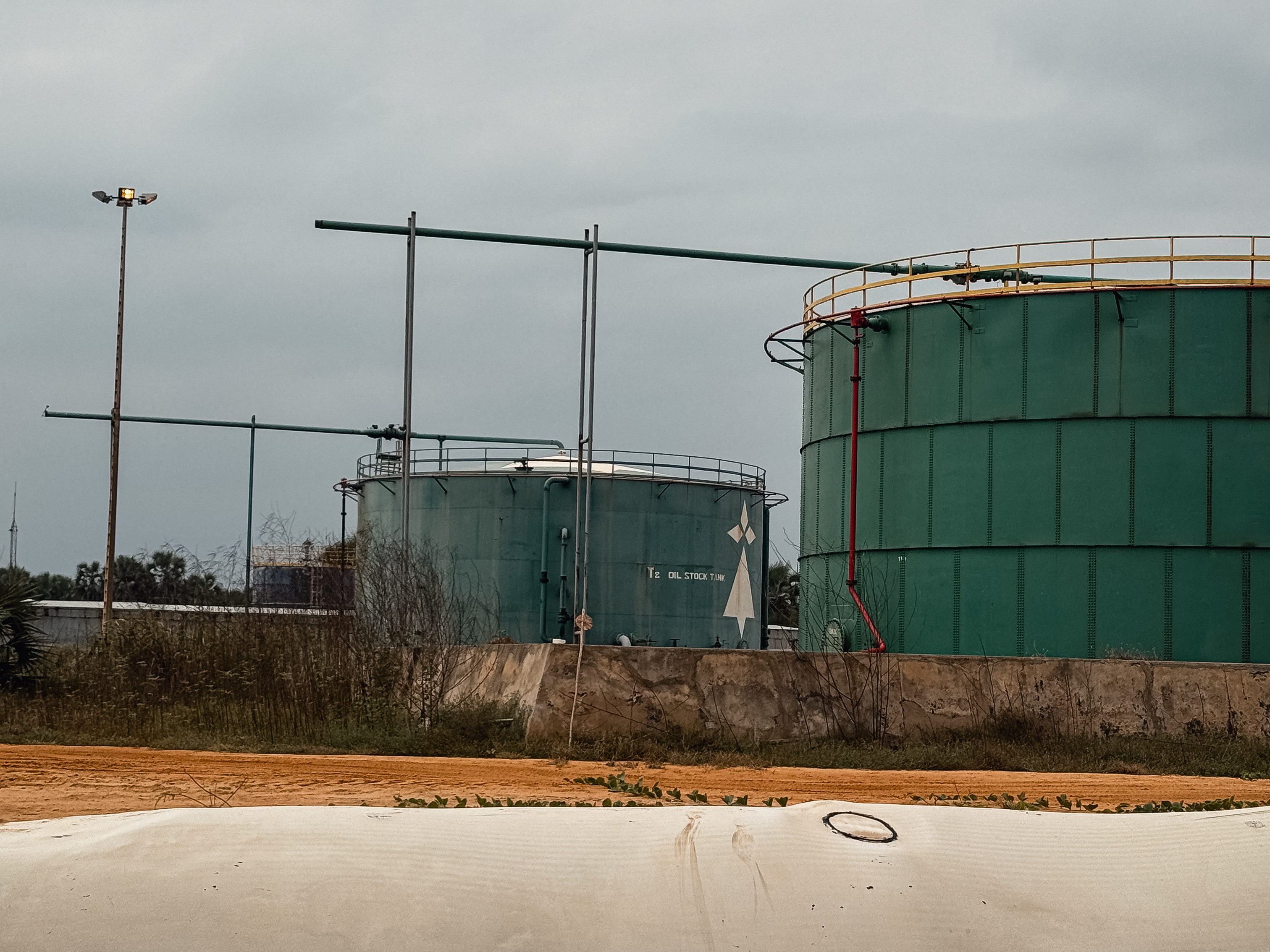
While Kinshasa and Perenco negotiate a tax settlement, Our Land Without Oil demands transparency in discussions and full publication of the environmental audit before any agreement. The coalition is calling for guarantees of pollution cleanup and compensation for the communities of Muanda.

→
MUANDA: AFTER THE DEATH OF CHADRACK DAMAZI-NZITA, NTSP DEMANDS JUSTICE AND AN INDEPENDENT INVESTIGATIONCommuniqués

22 Sept 2026

MUANDA: AFTER THE DEATH OF CHADRACK DAMAZI-NZITA, NTSP DEMANDS JUSTICE AND AN INDEPENDENT INVESTIGATION

In Muanda, the death of Chadrack Damazi-Nzita, 18 years old, has sparked strong emotion and mobilizations in several villages. According to initial information gathered from the community, the young man was fatally shot in an incident involving a soldier assigned to securing the oil field zone. Our Land Without Oil calls for the immediate opening of an independent and transparent investigation, clarification of the role of soldiers deployed around oil installations, and urgent measures to protect communities. The coalition expresses its solidarity with Chadrack's family and supports the peaceful mobilization of residents demanding truth and justice.

NTSP→
JUST TRANSITION IN THE DRCPublications

21 Sept 2026

JUST TRANSITION IN THE DRC

The White Paper "Just Transition in the DRC" analyzes the country's energy, environmental and economic choices based on territorial realities. It highlights the impacts experienced by local communities and indigenous peoples, and proposes pathways to build a more just, inclusive transition rooted in their rights and needs.

CORAP, RFUK, NTSP→